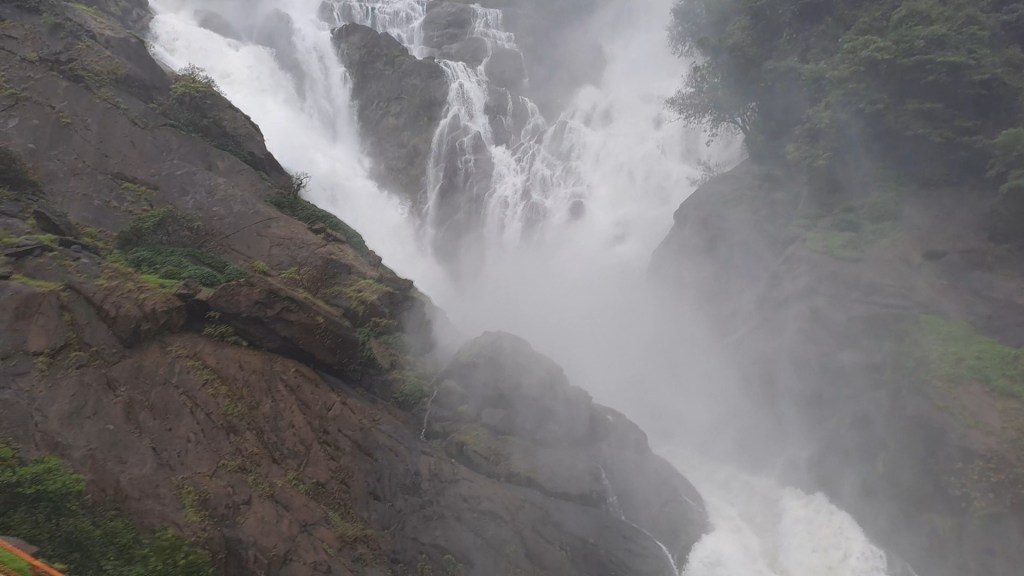
India, with its diverse geography, is home to numerous breathtaking waterfalls. From the majestic Athirappilly Falls in Kerala to the iconic Jog Falls in Karnataka, each waterfall has its unique charm. Among these natural wonders, Dudhsagar Waterfall stands out for its sheer beauty, accessibility, and distinct features. But what makes Dudhsagar Waterfall truly special compared to other waterfalls in India? Let’s explore the factors that set it apart.
How Dudhsagar Compares to Other Indian Waterfalls
1. Height and Magnificence
India boasts several towering waterfalls, but Dudhsagar’s height combined with its four-tiered structure makes it a visual treat. For comparison:
- Jog Falls (Karnataka): At 253 meters (830 feet), it’s slightly shorter than Dudhsagar but is unique for being a segmented waterfall that becomes a plunge waterfall during the monsoon.
- Nohkalikai Falls (Meghalaya): While taller at 340 meters (1,115 feet), it lacks the multi-tiered charm of Dudhsagar.
Dudhsagar’s cascading tiers give it an ethereal look, particularly during the monsoon, when the water volume is at its peak.
2. Accessibility
Dudhsagar Waterfall is more accessible than many other waterfalls in India. Visitors can reach it via a short trek, a train journey, or by jeep through the wildlife sanctuary. In contrast:
- Athirappilly Falls (Kerala): Requires a longer trek to view its full glory.
- Nohsngithiang Falls (Meghalaya): Located in a remote area, making it less accessible for casual tourists.
The train ride to Dudhsagar, particularly along the South Western Railway’s scenic route, adds an element of adventure that other waterfalls often lack.
3. Scenic Surroundings
The lush greenery of the Western Ghats envelops Dudhsagar, enhancing its beauty. It’s also part of the Bhagwan Mahaveer Wildlife Sanctuary, where visitors can spot diverse flora and fauna. Comparatively:
- Jog Falls is surrounded by rugged terrain but lacks dense forest cover.
- Shivanasamudra Falls (Karnataka): Though picturesque, it’s situated near a more developed area, reducing its wilderness appeal.
Dudhsagar’s setting offers a perfect blend of adventure and tranquility, making it a favorite among nature lovers and adventure enthusiasts alike.
Comparison with Specific Waterfalls
Athirappilly Falls (Kerala)
- Often referred to as the “Niagara of India,” Athirappilly is wider and more voluminous than Dudhsagar.
- However, it lacks the multi-tiered structure and the unique railway bridge experience.
Jog Falls (Karnataka)
- Jog Falls is India’s second-highest plunge waterfall.
- While it’s stunning during the monsoon, it’s often reduced to a trickle during the dry season, unlike Dudhsagar, which retains its charm year-round.
Nohkalikai Falls (Meghalaya)
- Nohkalikai’s single drop is taller than Dudhsagar, but it’s less accessible and lacks the lush forest surroundings of the latter.
Conclusion
Dudhsagar Waterfall’s unique combination of height, volume, scenic surroundings, and accessibility makes it a standout among India’s waterfalls. While other waterfalls like Jog Falls, Athirappilly, and Nohkalikai have their distinct features, Dudhsagar’s multi-tiered cascade, “Sea of Milk” effect, and the railway bridge view offer an unparalleled experience. Whether you’re an adventure seeker, a nature lover, or a casual traveler, Dudhsagar Waterfall is a must-visit destination that showcases the best of India’s natural beauty.
 Tour With Pallav
Leave a comment